At Chayland Design, we do not approach product work as a visual exercise. We approach it as a system of decisions that shape behavior, outcomes, and trust over time.
When the practice that would later become digital product design was still emerging, many teams focused almost exclusively on visual polish. That approach rarely held up once real users, real constraints, and real business pressure entered the picture.
What we have learned through years of product work across startups and large organizations is simple: strong products are built by people who can think clearly, communicate decisions, and stay grounded in real user behavior.
That perspective did not come from a single framework or methodology. It was shaped over time through experience, failure, iteration, and sustained learning.
The books below reflect the thinking that informs how Chayland Design approaches strategy, collaboration, discovery, and execution today. These are not design inspiration books. They are books about decision-making, communication, focus, and building products that actually work.
14. Solving Product Design Exercises by Artiom Dashinsky
A practical foundation for product thinking. The exercises mirror real scenarios teams face when defining problems, evaluating tradeoffs, and explaining decisions.

13. Creative Confidence by Tom Kelley and David Kelley
A reminder that progress depends on action. Iteration beats perfection, especially early in the product lifecycle.

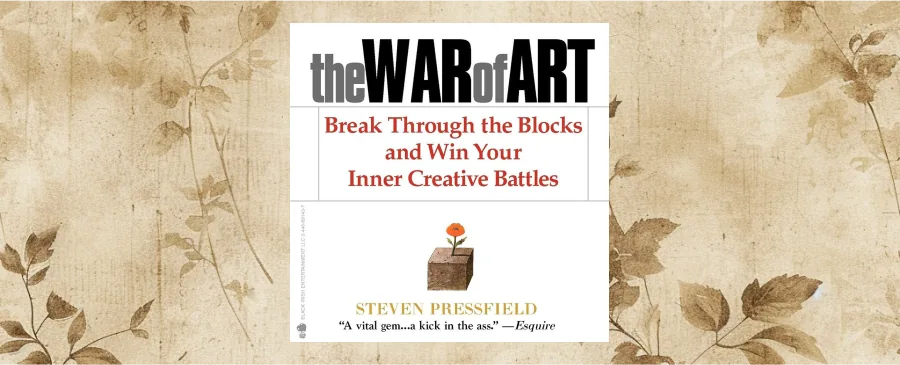
12. The War of Art by Steven Pressfield
A clear articulation of resistance and how it shows up in creative and strategic work.
11. The Artist’s Journey by Steven Pressfield
Growth is not linear. Sustainable progress requires tolerance for discomfort and uncertainty.

10. Turning Pro by Steven Pressfield
A shift from reactive work to disciplined execution. Showing up consistently matters more than waiting for clarity.

9. Deep Work by Cal Newport
Focus is a competitive advantage. This book reinforced the importance of protecting time for thinking, not just output.

8. Crucial Conversations: Tools for Talking When Stakes Are High by Joseph Grenny & Kerry Patterson
Product work is collaborative by nature. This book sharpened how we navigate disagreement, stakes, and alignment.

7. Discussing Design by Adam Connor and Aaron Irizarry
Design reviews succeed when feedback is structured and shared ownership is clear.

6. Articulating Design Decisions by Tom Greever
Design does not speak for itself. Clear reasoning and communication are part of the job.

5. UX Strategy by Jaime Levy
A practical bridge between user needs and business outcomes. Strategy is not separate from design decisions.

4. Inspired by Marty Cagan
A clear look at how strong product teams actually operate. Collaboration across disciplines is non-negotiable.

3. Sprint by Jake Knapp
A structured approach to solving complex problems quickly, without skipping discovery.

2. Creative Strategy and the Business of Design by Douglas Davis
Design and business are not opposing forces. Products fail when they are treated as such.

1. Continuous Discovery Habits by Teresa Torres
User insight is not a phase. It is a continuous input that shapes better decisions over time.

These books shaped how we think about products, teams, and systems. They inform how we run discovery, how we communicate tradeoffs, how we work with stakeholders, and how we measure success.
Formal education provides a starting point. Real capability is built by asking better questions, listening closely, and staying willing to revise assumptions.
At Chayland Design, our work is grounded in that mindset. Good products do not succeed because they look good. They succeed because they make sense, hold up under pressure, and support real human behavior.
That is the standard we build toward.