Building a successful product takes more than strong design execution. It requires alignment, communication, and a shared understanding across founders, product managers, designers, developers, and stakeholders.
One of the most effective tools for creating that alignment is often overlooked: product documentation.
If you have spent time digging through Figma files for context, searching Slack threads for decisions, or re-explaining handoff details to new team members, the issue is not effort. It is missing or fragmented documentation.
Why Product Documentation Is Essential
In fast-moving product environments, documentation is not optional. It is the framework that creates clarity and continuity as teams and products change.
1. Clarity for Every Role
Whether you are a founder, product manager, developer, or designer, clear documentation removes guesswork. It becomes the single source of truth that aligns goals, decisions, and rationale across the team.
2. Improved Collaboration
Well-organized documentation reduces friction between teams. Developers implement more accurately, stakeholders review with confidence, and new hires onboard faster. Collaboration shifts from constant clarification to meaningful contribution.
3. Long-Term Continuity
Products evolve and teams change. When decisions, workflows, and constraints are documented, the product retains its integrity over time. This creates a reliable reference for future iterations, even when key contributors move on.
4. Efficiency and Scalability
Strong product documentation reduces rework, miscommunication, and knowledge silos. Teams can scale without losing context, which becomes critical as complexity increases.
What Should Be Included in Product Documentation
Effective product documentation goes beyond specs and screenshots. It captures intent, ownership, and decision history in a way that remains useful over time.
Roles and Responsibilities
Clearly define ownership across product, design, and development. This prevents bottlenecks, reduces confusion, and increases accountability.
Design Systems and Style Guides
Documented design systems, including typography, color, components, and spacing, ensure consistency across platforms and releases. Tools like Figma libraries and team design systems help teams maintain alignment as products grow.
Change Logs and Roadmaps
Track what changed, when it changed, and why. This prevents teams from revisiting settled decisions and provides context during audits, retrospectives, and handoffs.
Accessibility and Compliance
Accessibility documentation is essential. Products should meet WCAG and ADA guidelines so they work for a broad range of users. Accessibility decisions should be documented, not assumed.
Developer Handoff and API Documentation
Smooth handoff leads to faster and safer implementation. Tools like Zeplin and Figma Dev Mode help, but clear API documentation, interaction notes, and edge case definitions are what developers rely on day to day.
If you want help building documentation systems that developers actually use, this is a core part of how we work at Chayland Design.
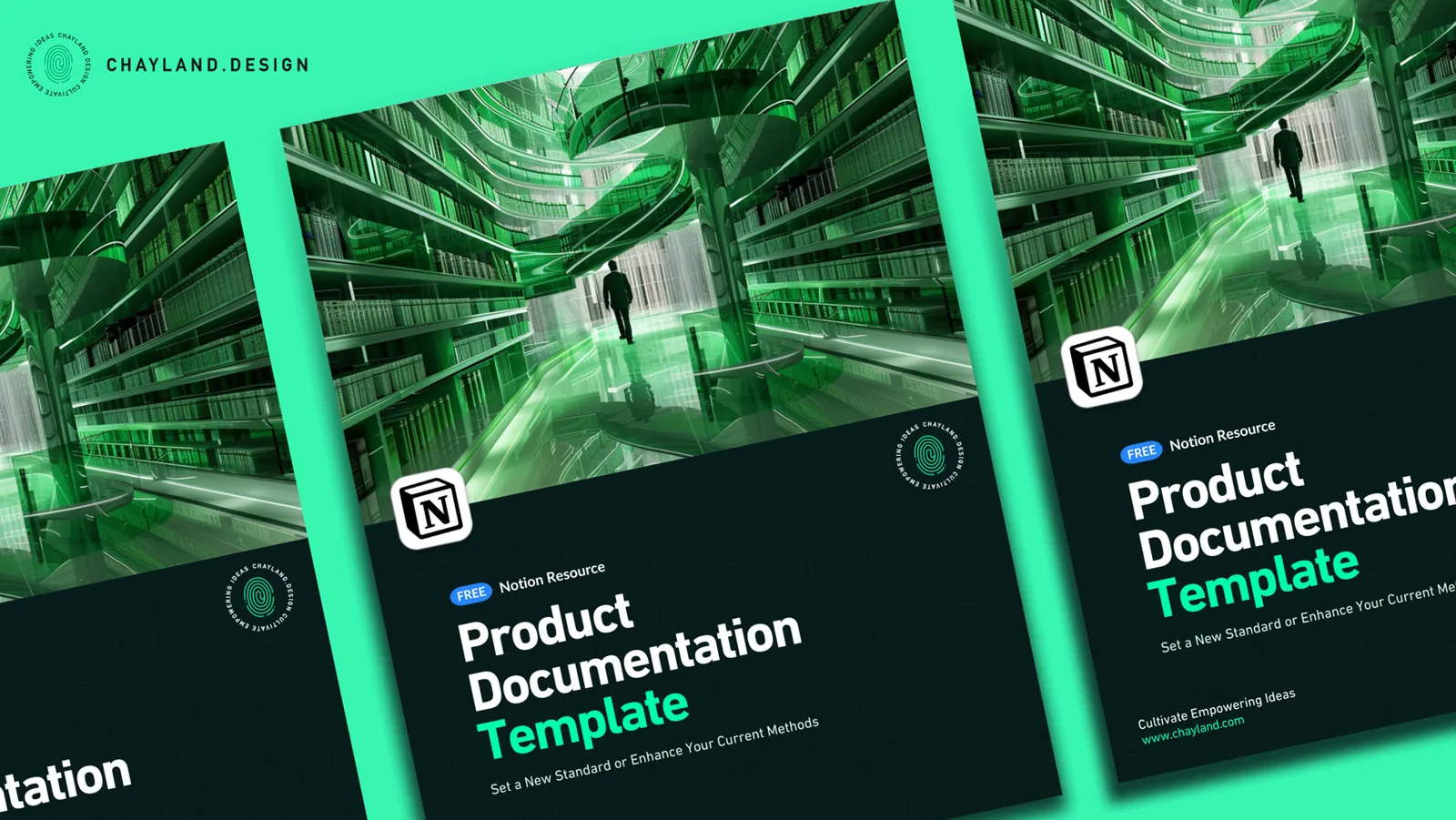
Free Resource: Product Documentation Template (Notion)
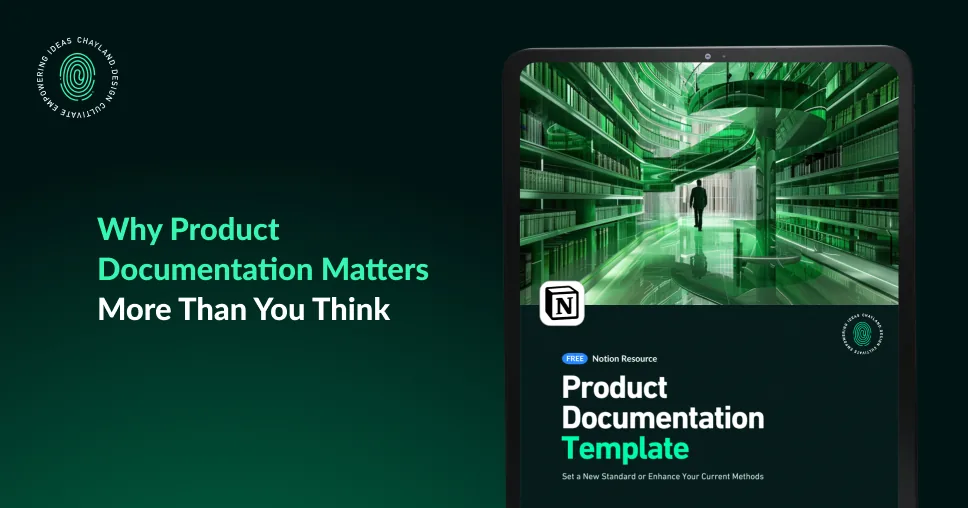
To make documentation easier to maintain, I created a free product documentation template built in Notion. It is designed to support teams across all phases of the product lifecycle.
The template includes:
- Roles and responsibilities mapping
- Communication protocols for cross-functional teams
- Weekly updates and demo tracking
- QA notes and annotated design files
- API and developer handoff standards
- Roadmap tracking and change logs
- Accessibility checklists and documentation guides
If you want more structure, visibility, and alignment without adding process overhead, this template is designed for that purpose.
Free Resource: The Product Design Documentation Template
Download the template for free →
Great documentation does not replace a strong team. It supports one.
Product documentation builds trust, improves handoffs, and reduces decision fatigue. Most importantly, it allows teams to move faster without losing context or repeating work.
At Chayland Design, we help product teams scale with clear, collaborative documentation systems built to last.
If you are ready to work with more alignment and less rework, let’s talk.